
Learning Experience
Learn how the instrument works,
not just how to operate it.
Our learning approach focuses on understanding how medical equipment works, how to identify and troubleshoot technical problems, how to approach preventive and corrective maintenance, and most importantly, how to work with healthcare technology responsibly and professionally.
- Learn
- Practice
- Build
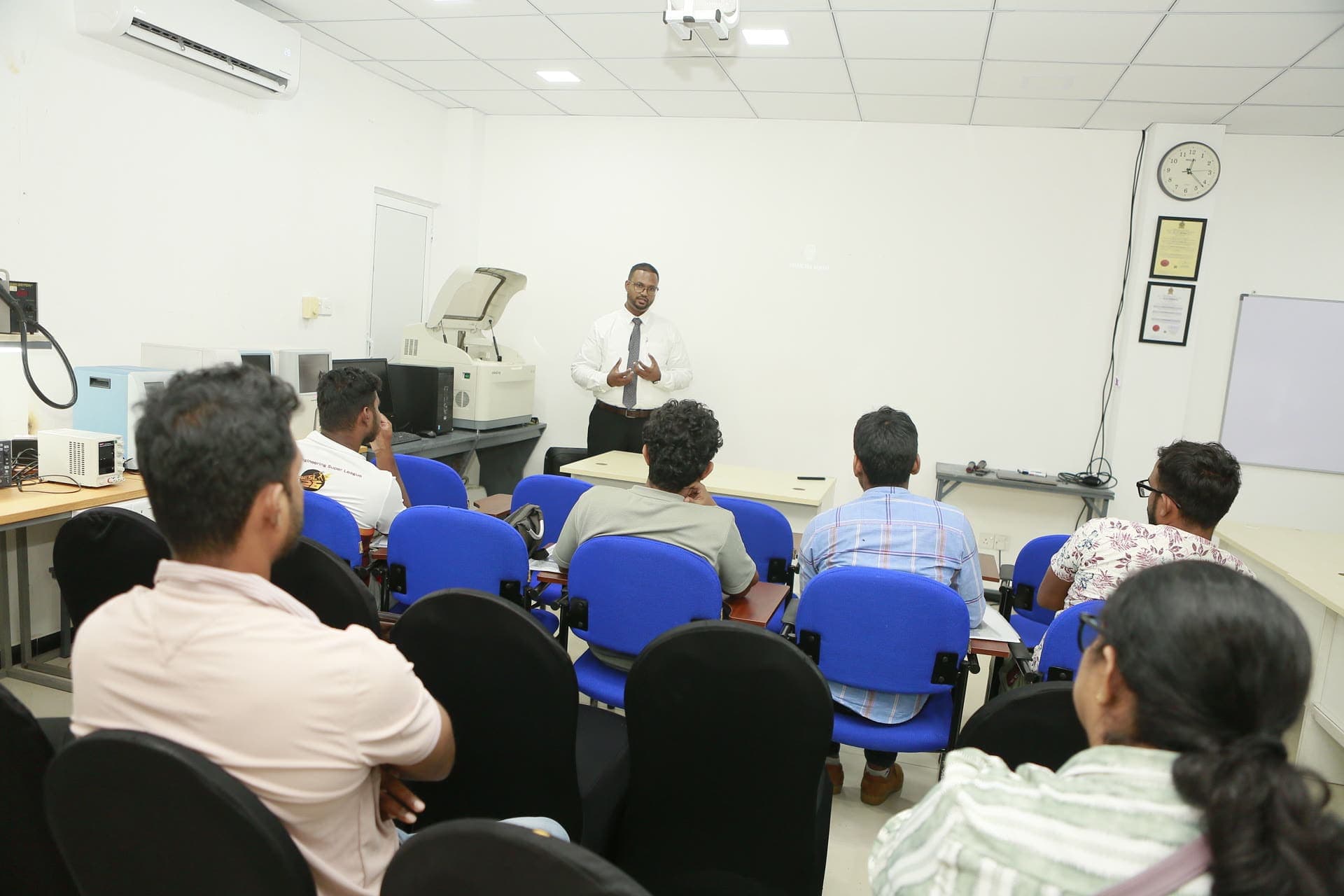
Inside the training room
Where the learning happens
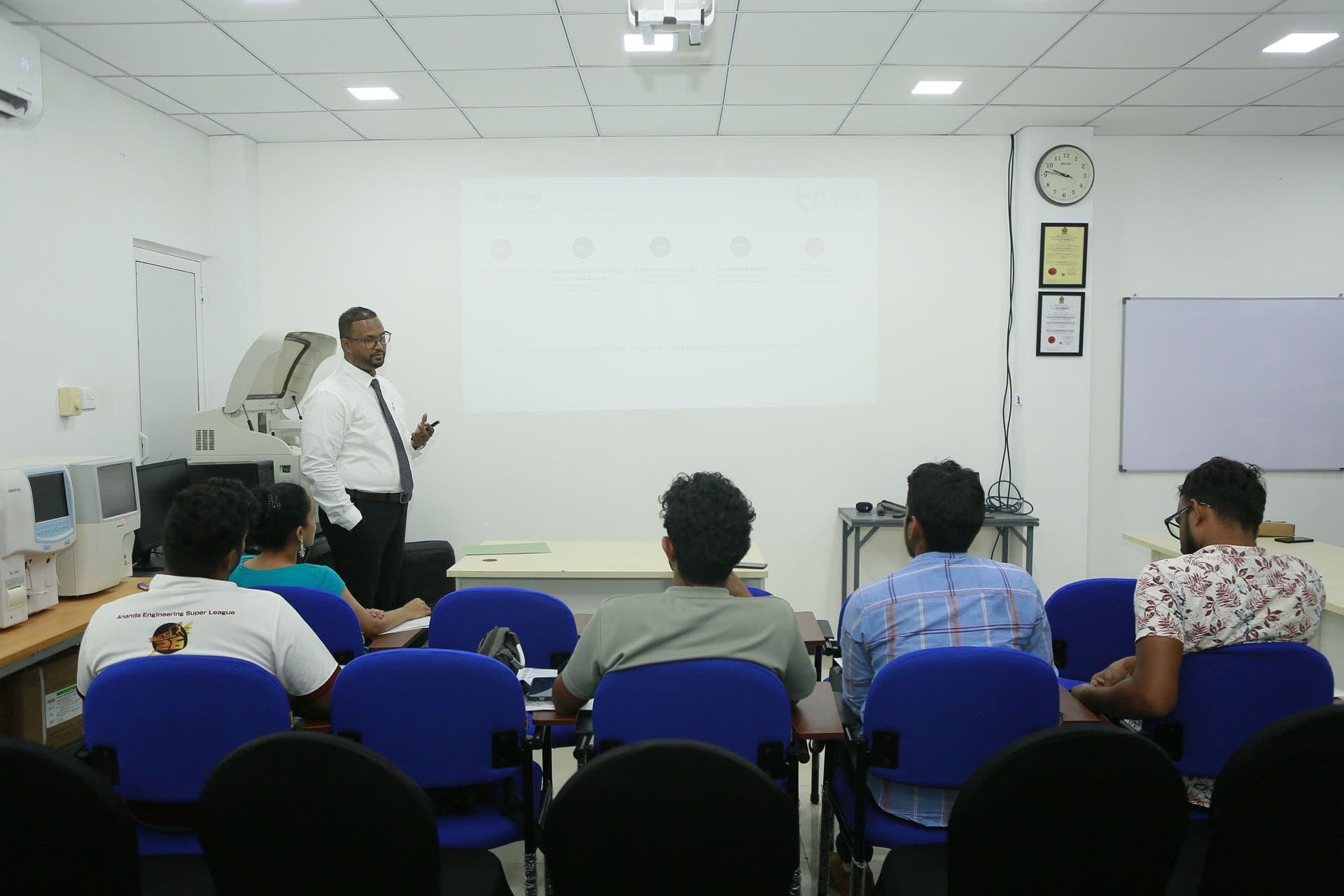
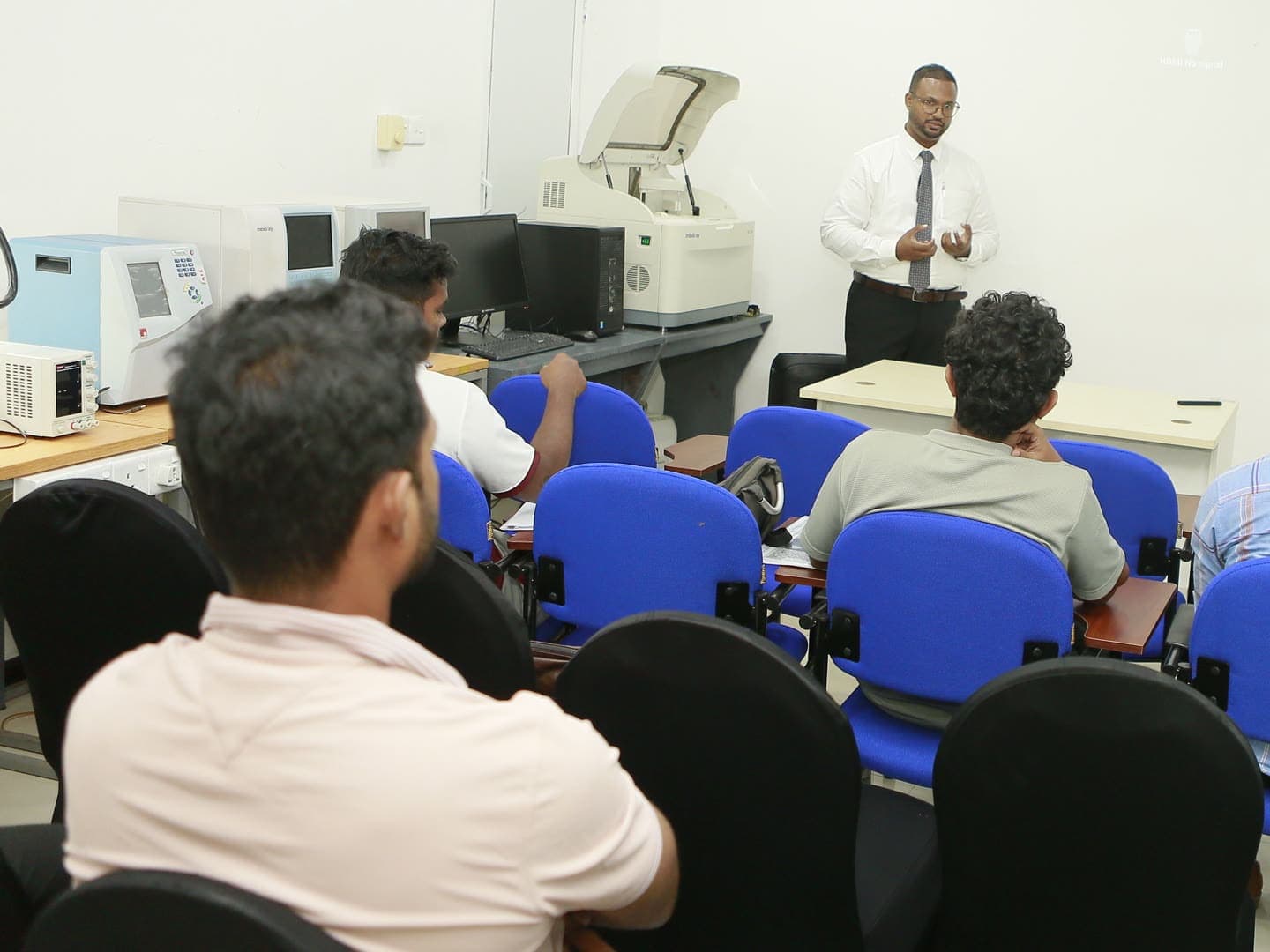
Classes run in the instrument room, beside the analyzers
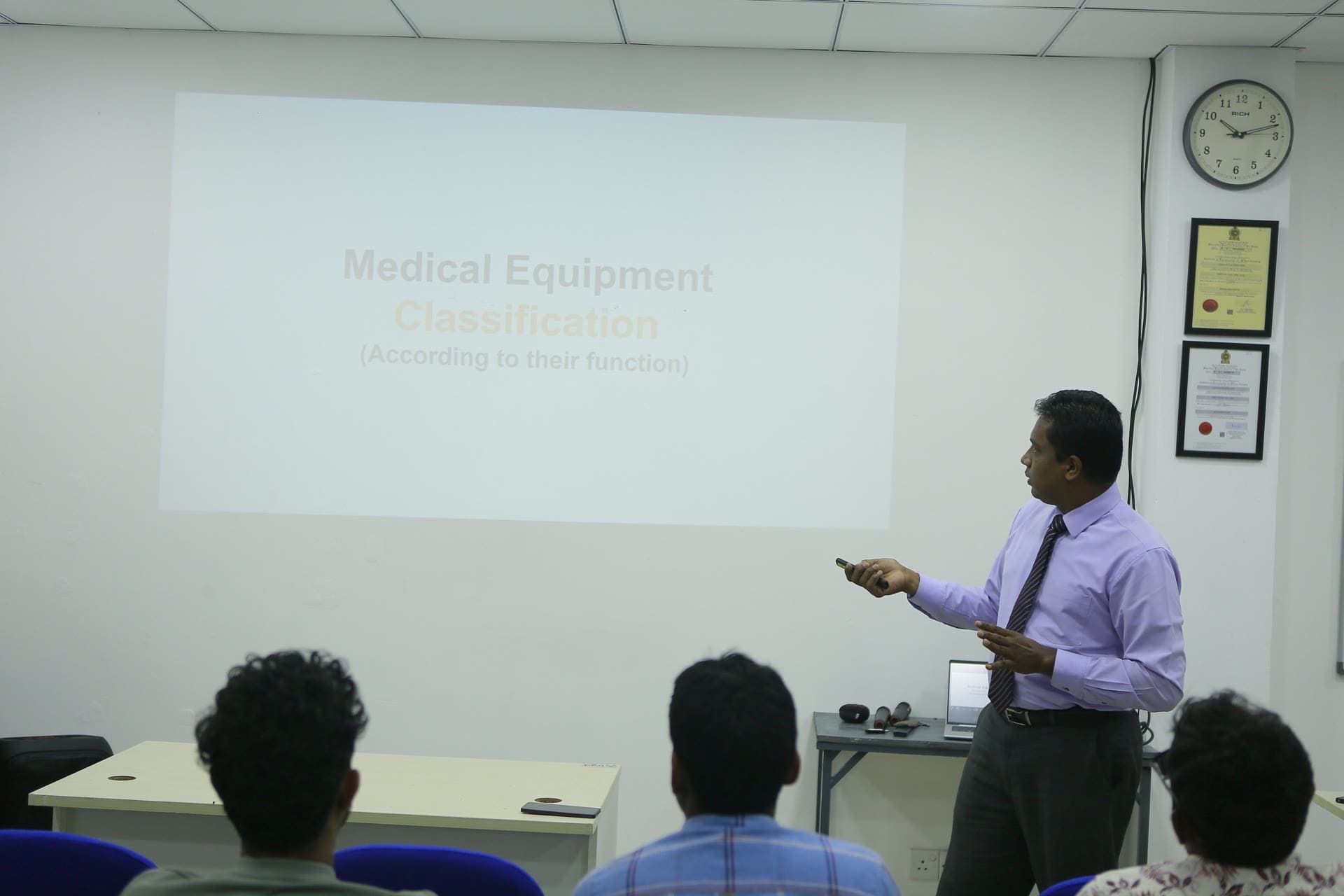
Mapping the medical device landscape from the ground up
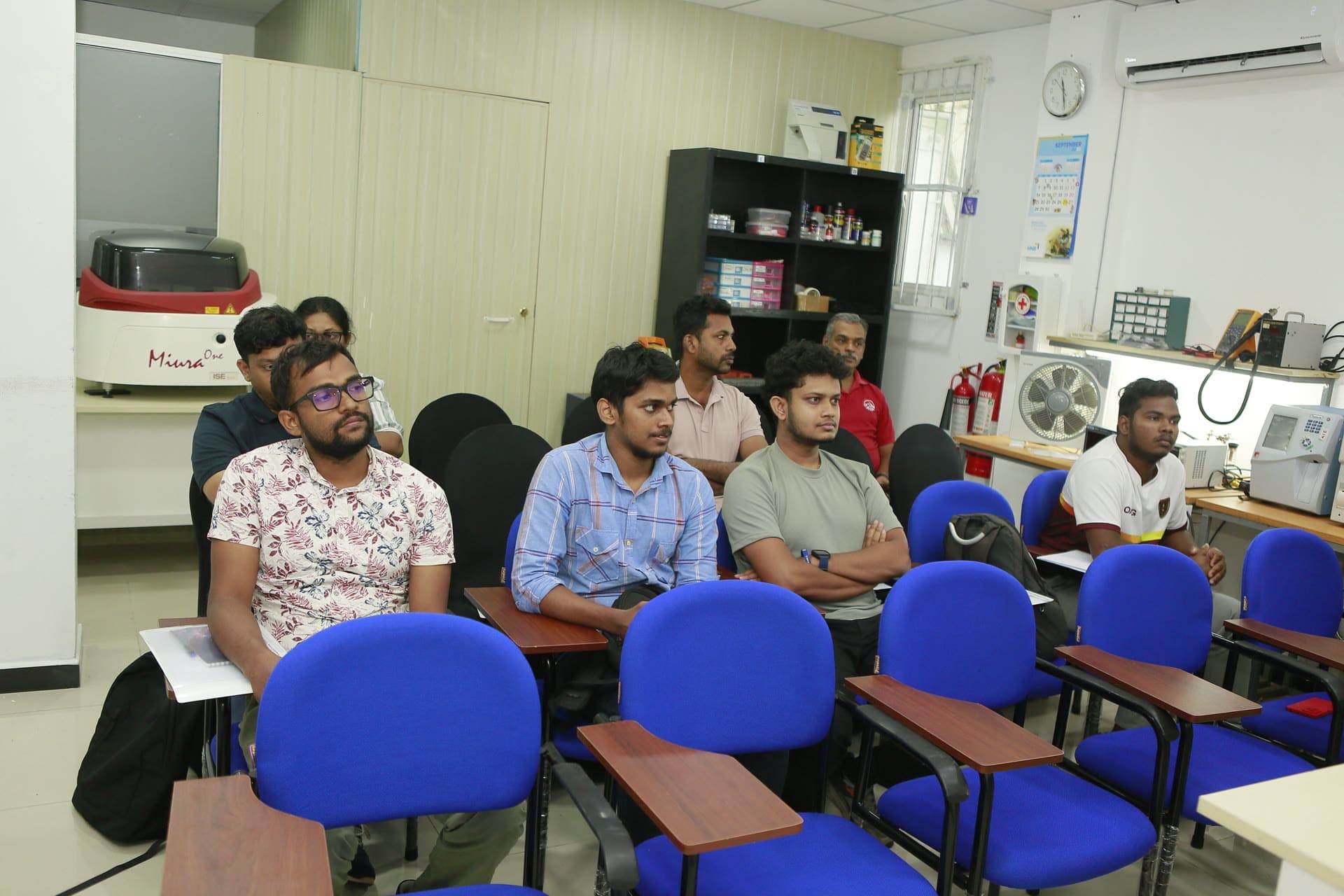
Small groups, so every learner can ask and practise
From knowledge to capability
The 4-Step Practical Learning Model
Our curriculum bridges fundamental physics with hands-on bench troubleshooting, progressing from system architecture to verified calibration.
- 01
System Architecture
Deconstruct medical instruments into optical, electronic, fluidic, and mechanical subsystems to understand the core operating principles.
- 02
Bench Calibration
Perform precision alignment, sensor calibration, optical verification, and fluidics cleaning on real laboratory analyzers.
- 03
Fault Diagnosis
Tackle simulated instrument faults, decode alarm codes, and perform systematic electrical and mechanical root-cause tracing.
- 04
Preventive Care & QC
Execute routine preventive maintenance schedules, verify safety compliance, and prepare professional service documentation.
Learn How the Instrument Works
A good service professional should understand more than how to operate an instrument.
Our learning philosophy encourages students to ask:
This approach helps develop the technical thinking and problem-solving skills required in professional equipment service.
- How does the instrument work?
- How is the measurement produced?
- What happens inside the instrument?
- Why does a fault occur?
- How can the problem be diagnosed?
- How can the instrument be safely restored and verified?
Medical Laboratory Instruments
The instruments you will work on
Our Service Professional Program is currently focused on Medical Laboratory Instruments. Learners are encouraged to understand not only the purpose of each instrument, but also the engineering principles and systems that enable the instrument to perform its function.
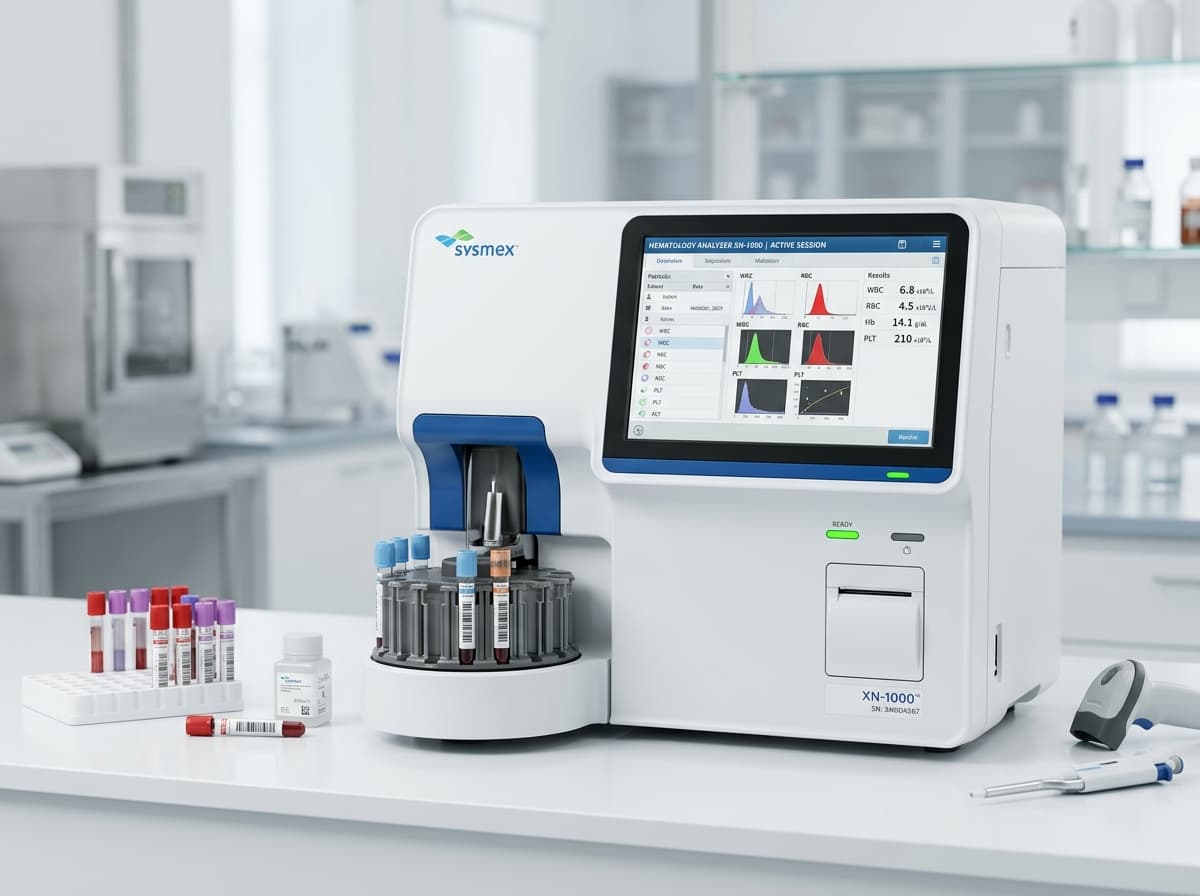
Hematology Analyzers
Automated blood cell counting systems, and one of the highest-volume instruments in a clinical laboratory.
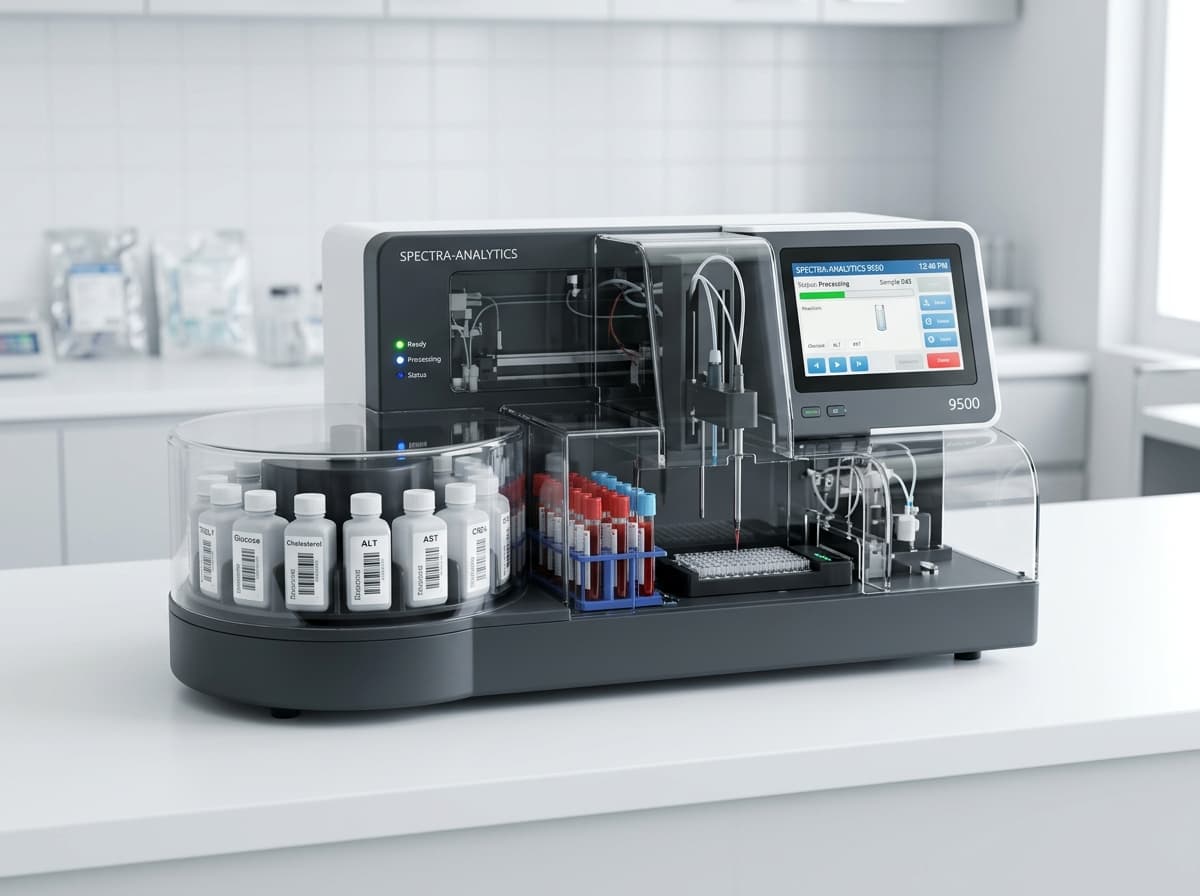
Clinical Chemistry Analyzers
Photometric systems that measure enzymes, metabolites and other analytes in serum and plasma.
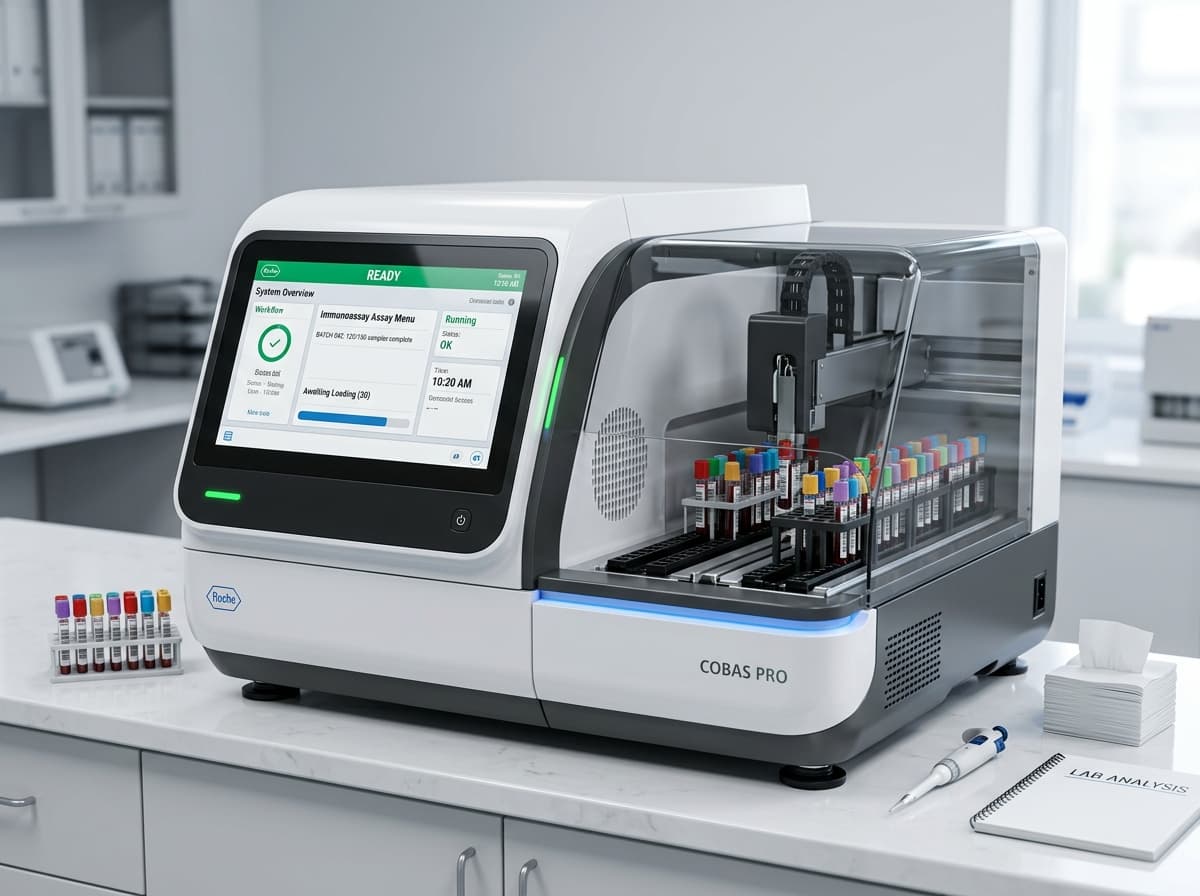
Immunoassay Analyzers
Platforms used for hormone, marker and infectious disease testing through immunoassay techniques.
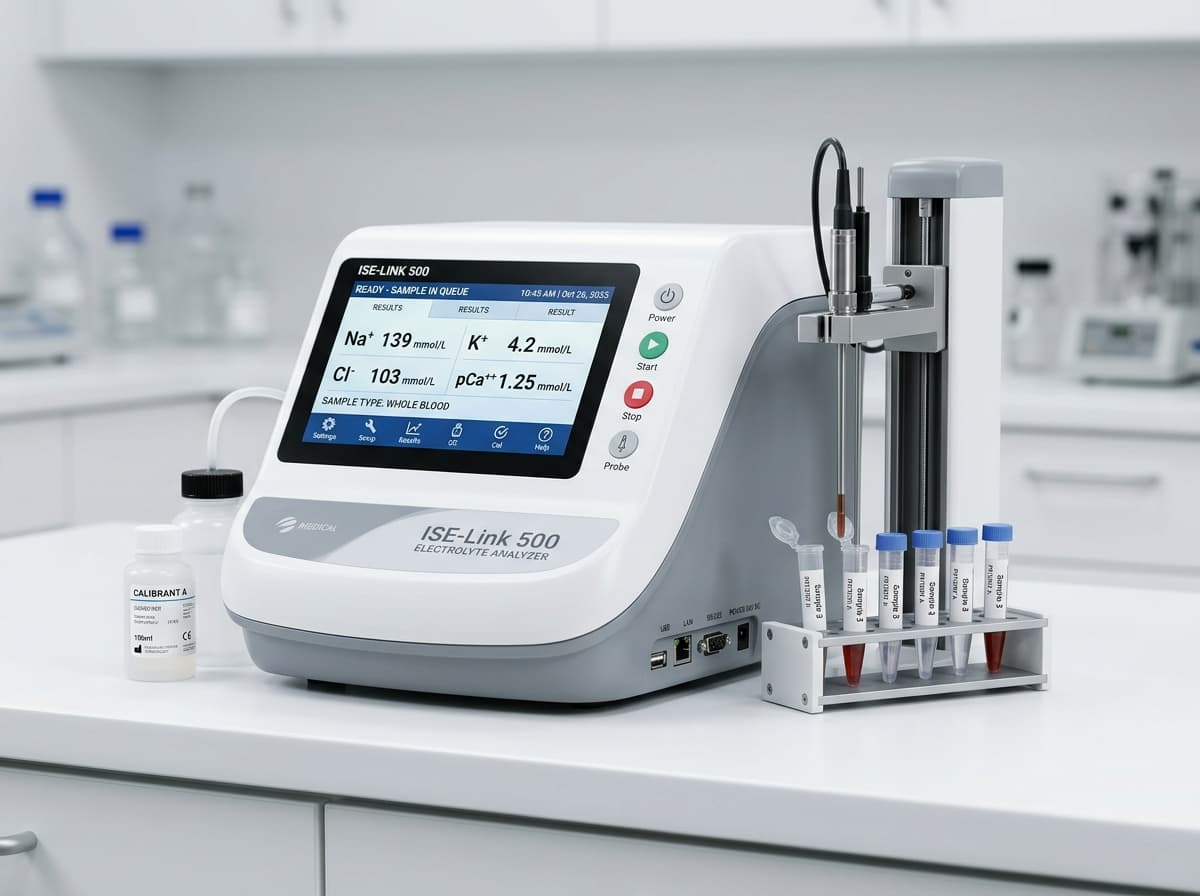
Electrolyte Analyzers
Ion-selective electrode systems that measure sodium, potassium, chloride and related electrolytes.
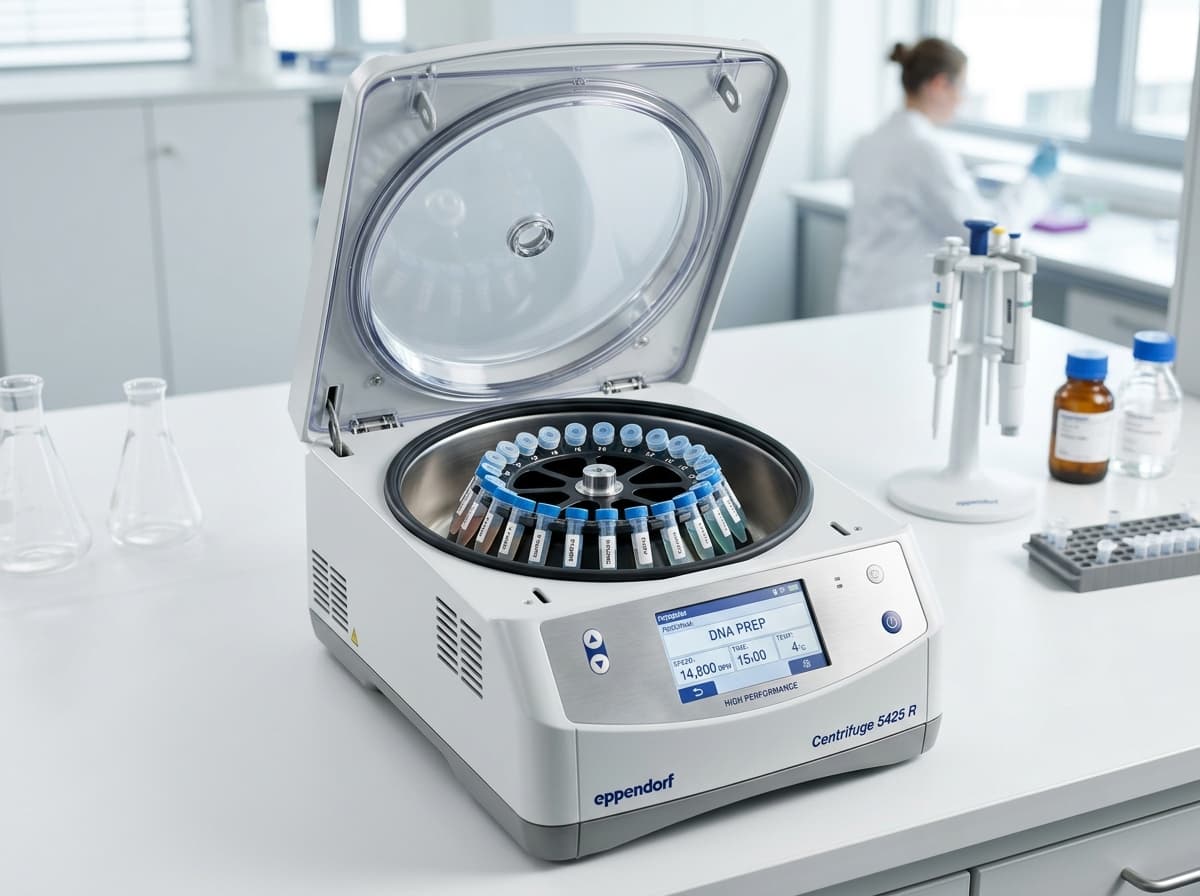
Laboratory Centrifuges
Sample separation equipment built around rotor balance, drive systems and safety interlocks.
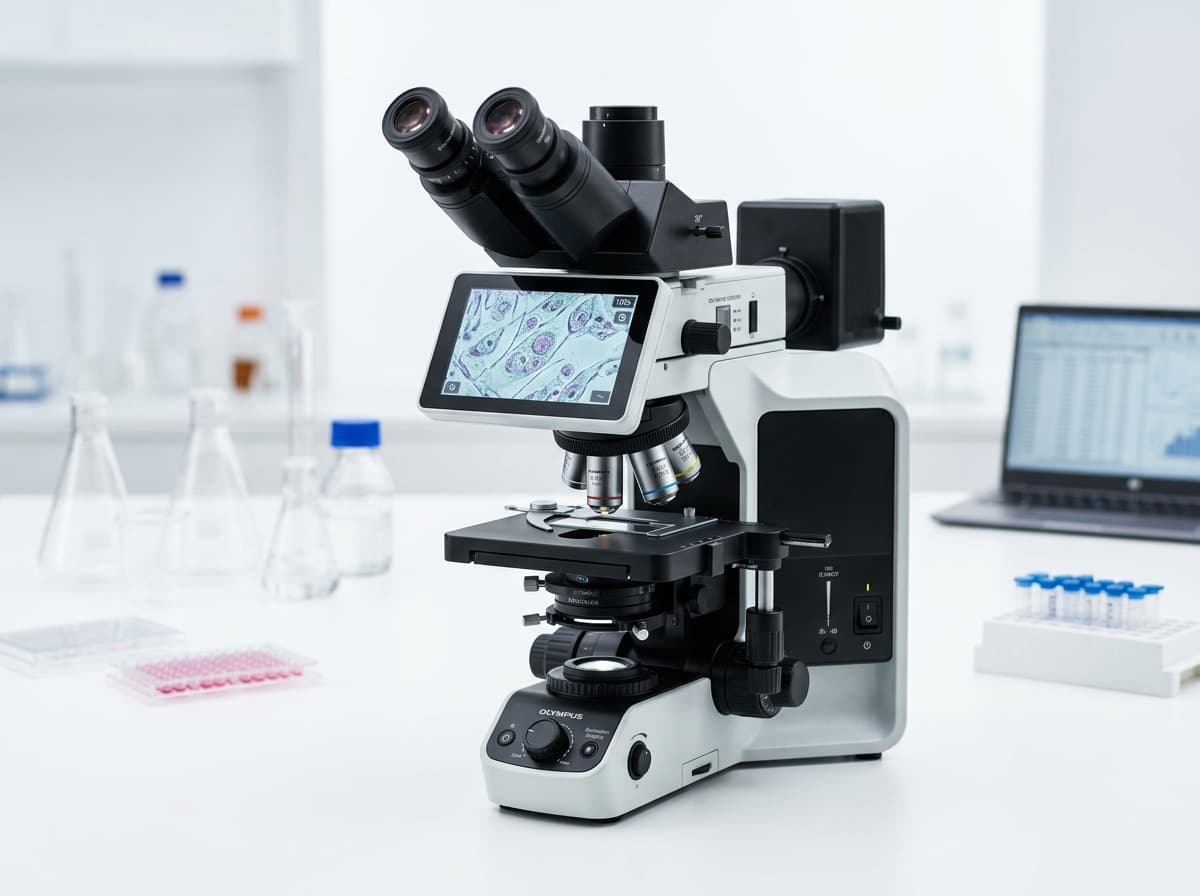
Microscopy Systems
Clinical microscopes and their illumination, optical and digital imaging subsystems.
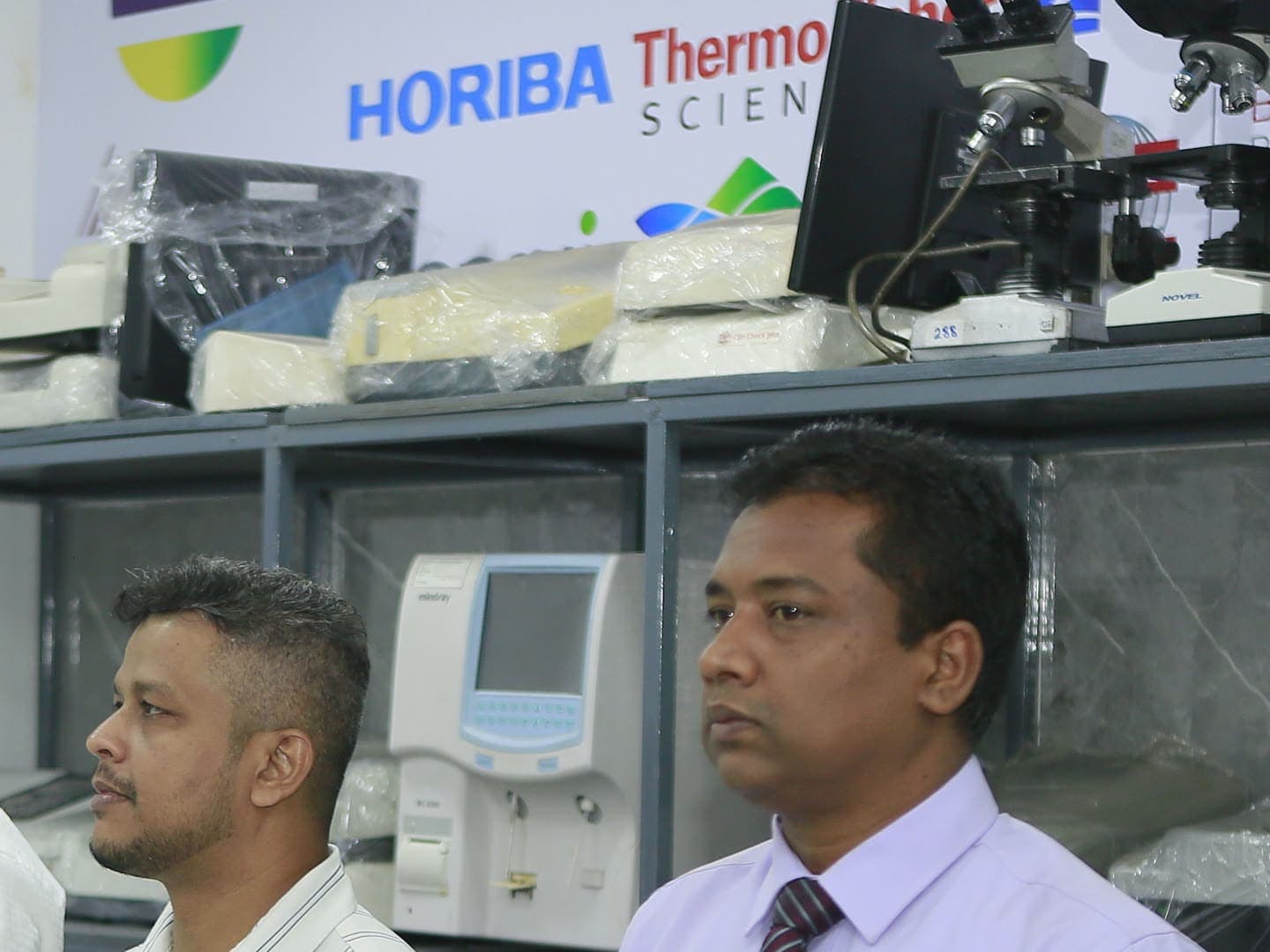
Sample Processing Equipment
The preparation and handling equipment that keeps samples ready for analysis.
Other Medical Laboratory Instruments
Additional instruments found across diagnostic laboratories, added to the program as it grows.
Learn. Practice. Build.
Three principles behind every session
LEARN
Develop a strong foundation in Biomedical Engineering and Medical Laboratory Instrumentation.
PRACTICE
Connect theoretical knowledge with practical applications, instruments, technical examples, and troubleshooting situations.
BUILD
Build the technical confidence, professional mindset, and knowledge needed to develop your career.